How Long Does a Patio Heater Last?
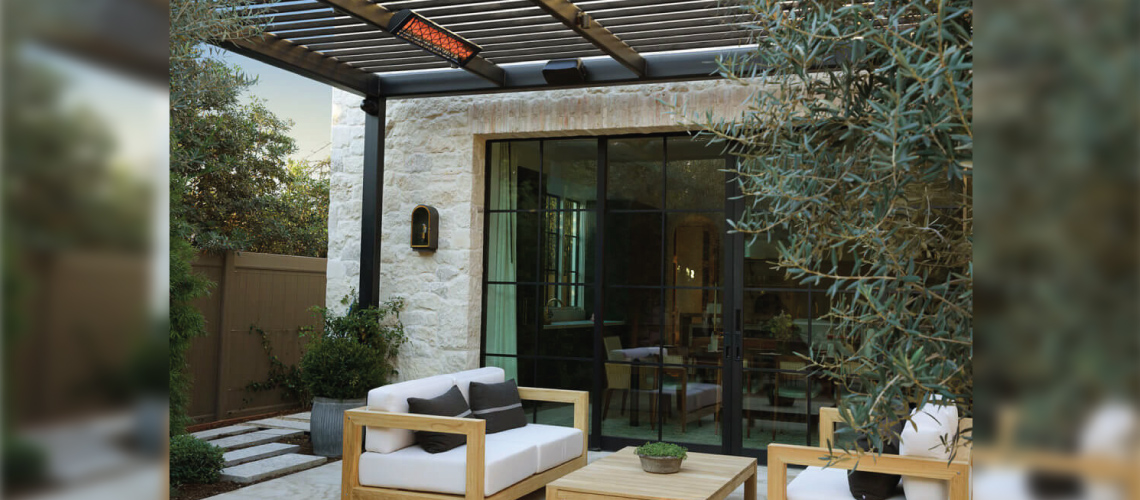
We’ve had a lot of questions from our customers relating to how long they can expect a patio heater to last… and we tapped the almost limitless knowledge of the best patio heating experts in the country (that’s ours) and asked them to get together and create the definitive guide on patio heater longevity.
Knowing ahead of time what to expect can absolutely make the difference between a buy or don’t buy decision, and we want you to have all the facts. Since there are just a few types of patio heaters (and variations within each kind) we’ll discuss, in depth, each of the following types:
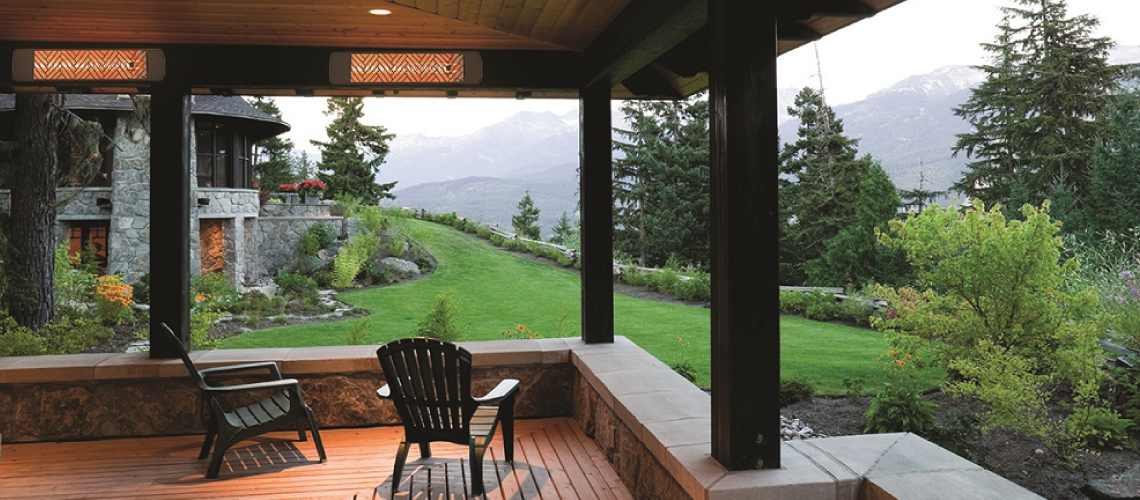
Our customers select Electric Wall-Mounted or Ceiling-Mounted Patio Heaters for lower up-front costs, lower maintenance, lower requirement for clearances and ventilation and resistance to wind/climate changes. They’re the go-to device for thousands to keep their families, guests, and customers warm as the sun heads over the horizon.
Most electric patio heaters use infrared heating elements that don’t heat the air – they create infrared heat (like the sun does) that heats people and things. These electric heaters use one, two or even three infrared elements to create that oh-so-comfy warmth.
When the heater gets older, you’ll find that the element doesn’t put out nearly as much heat as it used to. That’s your key to replacing the element(s) so that your heater works optimally again. Replacing elements cost between $100 and $200’ish each, so a two-element heater (typically) would cost between $200 and $400 to replace the elements. If one element seems to be fading out, best to replace both elements at the same time.
How long does it take until these elements need to be replaced? That depends on the kind of infrared heat. There are short-wave, medium-wave and long-wave infrared heaters (BTW: Our experts have put together a fantastic guide to infrared heat called, “Types of Infrared Heat Explained”), and each has a different estimated lifetime for their elements:
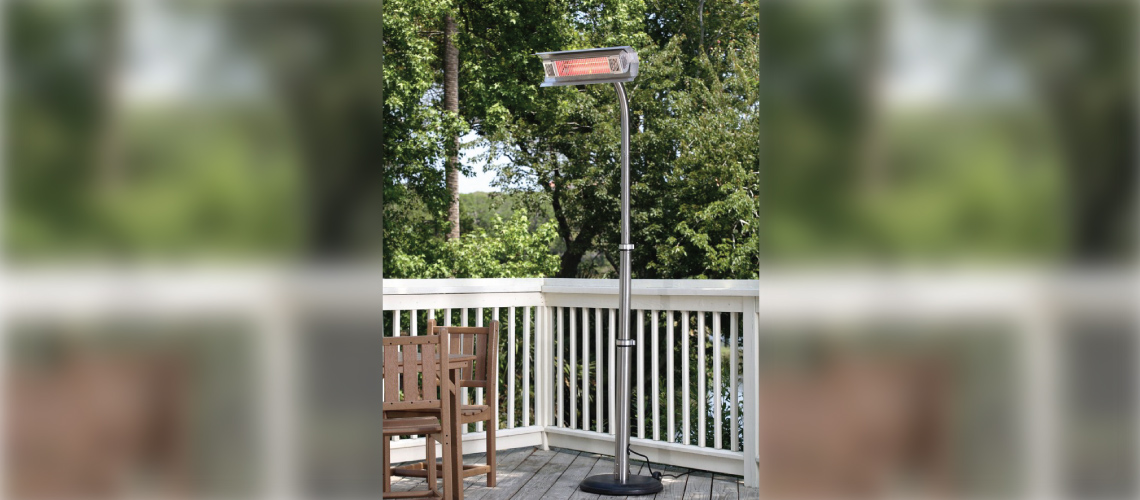
It doesn’t get any easier than using a Freestanding Electric Patio Heater, just plug into a standard electric outlet in your home and you’ve got 1,500 watts of infrared heat that creates a 9’ blanket of heat (not effected by wind).
Your freestanding electric patio heater should last about 5 years (5,000 hours) on the original element. Just like their bigger wall/ceiling mounted brethren, once the heater stops heating as well it’s time to change the element (should cost between $100 and $200 for the replacement).
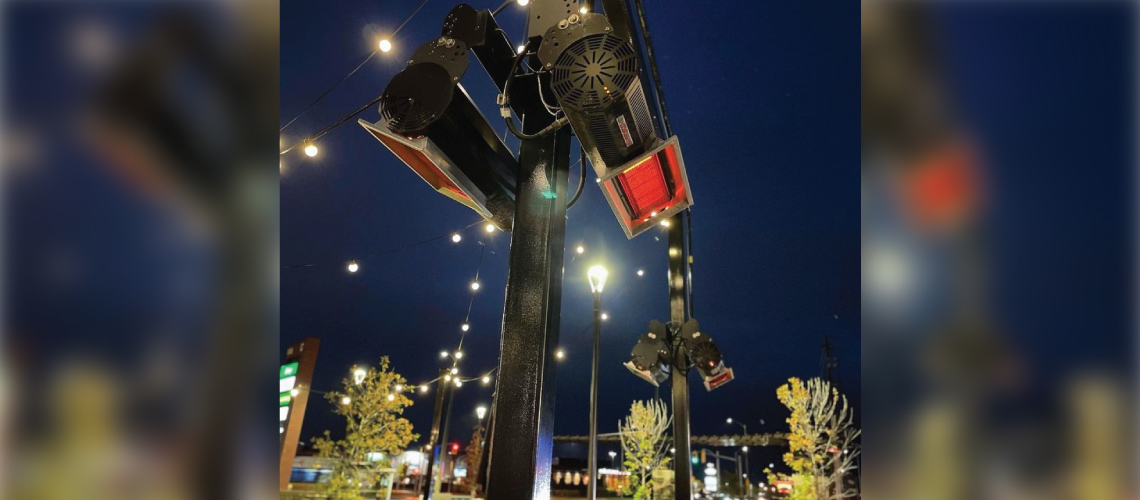
Even though they are more expensive to purchase and harder to install, Natural Gas Wall/Ceiling Mounted Heaters are the go-to choice for many of our customers for one simple reason; their operational costs are significantly lower than their electric counterparts (as much as 50% low operation cost of fuel for natural gas vs. electric), as well as getting a higher heat output.
Whereas electric heaters have an electric heating element (or two or three) that creates the heat, on a natural gas heater there are many parts (thermocouple, manifold, injector etc.) that may fail over time. Because of safety systems built into the best gas heaters, if one of the major components fails the heater will not start. The most typical components to fail (in order) are the thermocouple, control module, ignitor (the battery runs out) and the flame sensor.
When your unit does fail, there’s a good likelihood that you won’t be able to tell which part requires replacement… this is typically done but a licensed plumber. They can identify the failing pieces, obtain the parts from the manufacturer, and make the repairs on your unit.
With normal maintenance, you can expect high intensity heaters (some call them, “ceramic heaters”) to last 3-5 years before any part should require replacement. Low intensity natural gas heaters (some call them, “tube heaters”) can be expected to need their first replacement part in about 8-10 years.
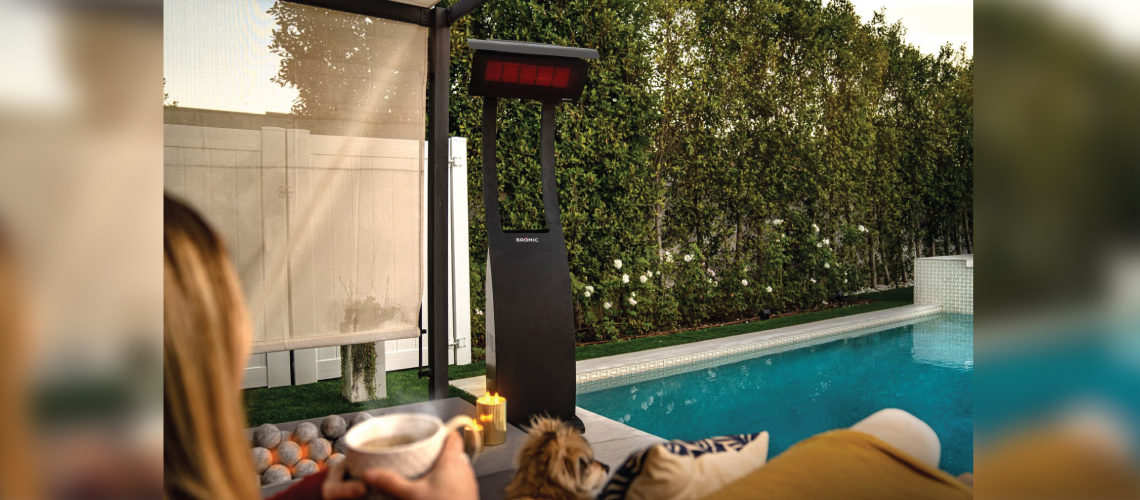
Although freestanding natural gas patio heaters are theoretically portable, because they have to be plumbed into a gas line they are more “movable” than portable. Still these beauties throw of a TON of heat (as much as 215 sq. ft.) and are super easy to use.
As with natural gas wall/ceiling mounted patio heaters, there are multiple components contained within the freestanding natural gas heater itself. Any of these components may fail, and over time one eventually will. When the components eventually fail, the safety system built-in to the best patio heaters will not allow the system to be turned on.
You’ll find that glass and reflector replacements are the most common parts that require replacement, typically due to weather or accidents.
Another question we have fielded on these systems is when does it make more sense to replace the entire heater rather than the independent parts. If the unit falls over in a wind storm and the reflector, glass, side panels and metal grates are damaged, it would make more sense to replace the entire unit rather than going through the hassle of replacing all of the damaged components. Many of our customers will only replace the reflector and glass and live with any cosmetic damages to the other components.
Contact a plumber (because they handle gas systems) to isolate which system is malfunctioning, order the appropriate part from the manufacturer, and make the needed repairs.
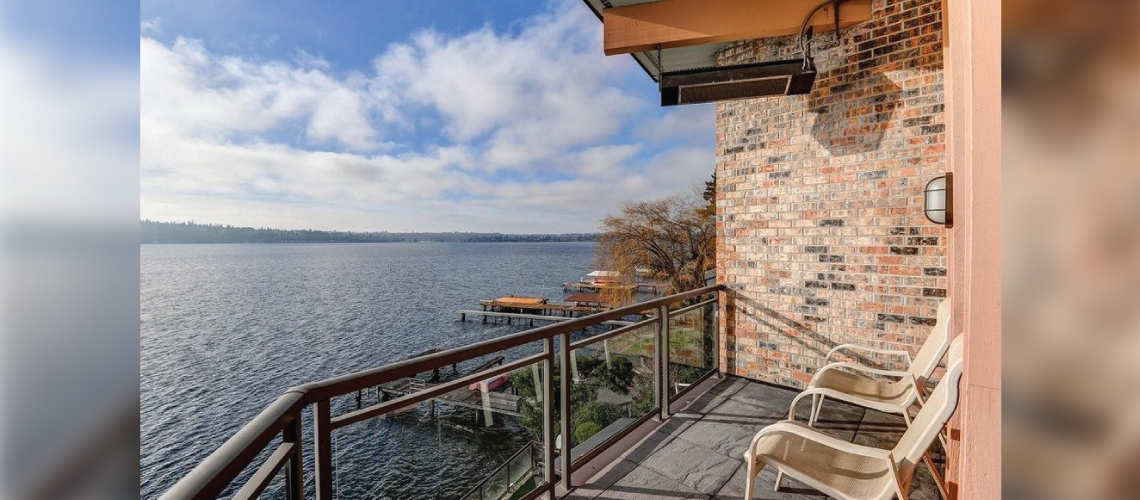
Many of our customers don’t have the availability of natural as (I’m actually one of ‘em) and have to turn to Propane for their outdoor comfort needs. When a liquid propane (LP) Wall/Ceiling Mounted Heater is your best option you can rely on years of service from your LP beast.
As with natural gas mounted heaters, that are many components (injectors, manifolds, thermocouples, etc.) that may fail over time, and each can be replaced if/when they fail. You’ll know a part of the system failed because your heater won’t start (safety systems don’t allow trying to start the system with a failed component).
With normal planned maintenance, you can expect your ceramic heater (also known as high intensity heaters) to last 3-5 years before any part failure, while tube heaters (also known as low intensity LP heaters) can be expected to need their first replacement part in 8-10 years.
When your unit fails, rely on a licensed plumber (they handle LP gas equipment) to identify the issue, order the appropriate replacement part, and repair your system back to fully operational status.
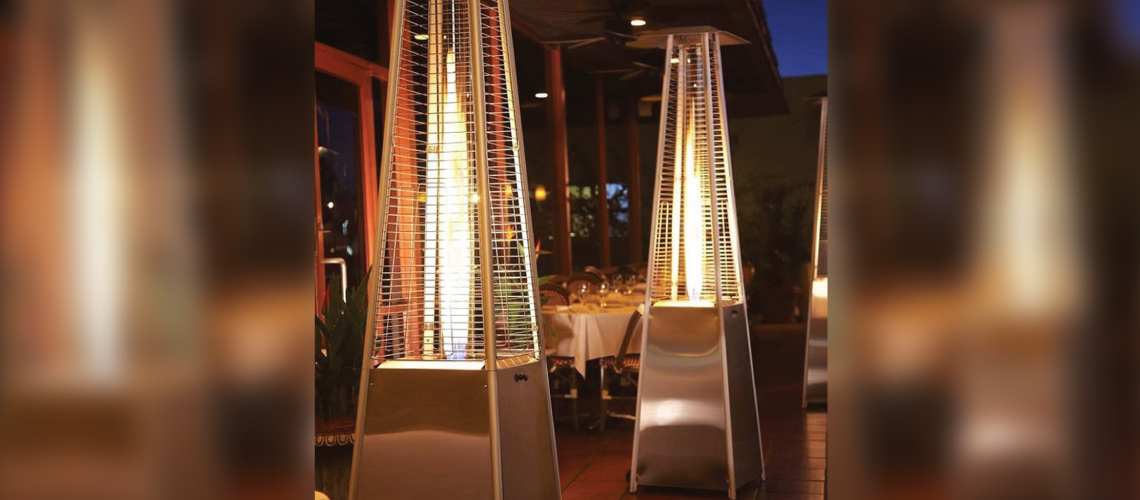
As you can tell from the image heading this section, Liquid Propane (LP) Freestanding Heaters have come a LONG way. Generally, a 20 lb. propane tank is concealed within the heater, providing a good 10 hours of continuous use (with an average 40,000 BTU output) on its highest setting before it is needed to be replaced. Assuming the tanks cost you $20 to refill, that’s $2 per hour on the highest setting.
Although most portable propane heaters put out about 40,000 BTUs, they range from 10,000 to 50,000. If you are using a unit that puts out a maximum of 20,000 BTUs, you can expect to run for twice as long (as much as 20 hours on full tilt).
The biggest problem with portable propane heaters is that they’re portable… and as such are susceptible to being knocked over in a high windstorm. The most common parts to be replaced are glass and reflector elements (issues caused by the unit being knocked over) and can be replaced fairly easily. If many components are damaged after the unit is knocked down (reflector, glass, side panels, and metal grates for instance) some customers prefer to just replace the entire unit rather than just the glass and reflector and live with the cosmetic “doinks” in the rest of the system.
Here are a few tips to keep your portable propane system running top notch:
- Clean and polish the stainless-steel surfaces (use a specially formulated steel cleaning solution
- Bring portable heaters indoors during storm conditions to prevent damage
- Ever year, oil the wheel joints
- Check the LP gas hose periodically for wear and tear
- Check the gas cylinder for rusts, dents, or other damage
Here at Canada Lighting Experts, we know that upgrading your outdoor patio space with the right patio heating system makes all the difference in the world. Knowing what to expect with your system (how to spot issues happening, what action to take, and when to expect your first replacement parts to be needed) gives you peace of mind that your system is working correctly for the right amount of time.
Select your patio heater from Canada Lighting Experts and you’ll not only get the best selection at the best prices, but your decision will be backed by our patio experts. Not sure if something is right for you? Give us a call and we’ll walk you through it every step of the way.